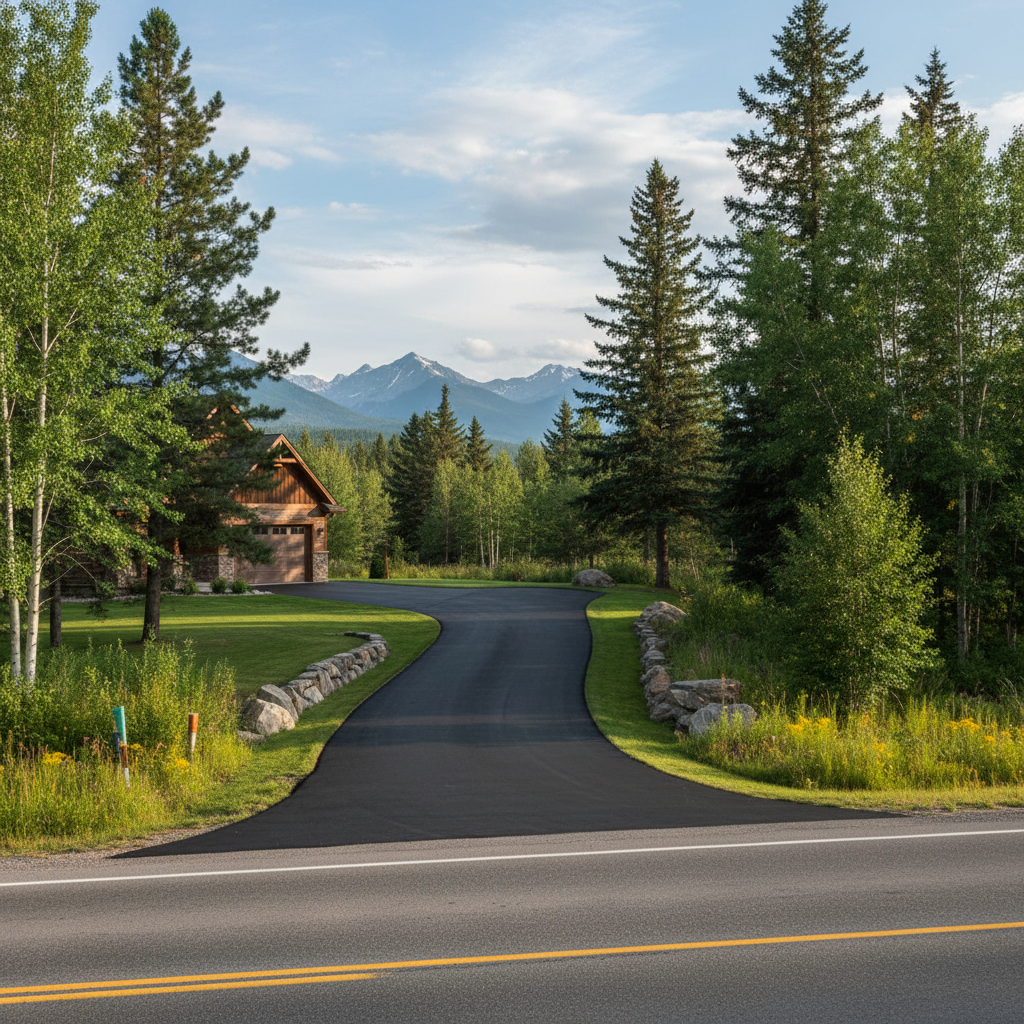
Ready for a new driveway, are we? Maybe your old one's looking pretty rough, all cracked up, or you're finally building that dream home up in Foothills and need good, solid access. Whatever the reason, getting a new driveway paved is a big investment. Honestly, I've seen plenty of Bigfork homeowners make some pretty common — and expensive — mistakes. Let's chat about how you can steer clear of those.
Mistake #1: Not Getting Multiple, Detailed Bids
This one might seem obvious, but you'd be surprised. Folks often get one quote, maybe two, and then just pick the cheapest. Or, even worse, they go with the first person who picks up the phone without really digging into what that bid actually covers. A good bid isn't just a number, you know? It's a full breakdown. It should tell you exactly what work they're doing: how much dirt they're moving, what kind of base material and how thick it'll be, the asphalt type and thickness, any drainage plans, and a timeline. If a bid is just one line item, consider that a big red flag. You won't know what you're paying for, and you certainly won't know what corners might get cut.
Ask questions. For example, what's their experience with our specific Bigfork soil types? We've got a lot of clay around here, especially closer to the lake, and that stuff can be a real pain if it's not prepped just right. A good contractor will know this and build it into their plan, not just slap asphalt on top and cross their fingers.
Mistake #2: Ignoring Proper Base Preparation
This is probably the biggest mistake I see, and it almost always happens because someone chose the cheapest bid. Your asphalt driveway is only as good as the foundation underneath it. Think of it like building a house – you wouldn't skimp on the foundation, right? Same principle applies here. A proper base means digging deep enough, making sure the ground underneath is stable, laying down a solid layer of crushed aggregate, and compacting it thoroughly. If the base isn't right, you're going to see cracks, potholes, and dips way sooner than you should, especially with our freeze-thaw cycles here in Montana.
I can't even count how many times I've had to rip out a relatively new driveway because the base wasn't done correctly. It's always more expensive to fix it later than to do it right the first time. Make sure your contractor spells out the depth and type of base material. If they just say "we'll put down some gravel," press them for specifics. It really does matter.
Mistake #3: Neglecting Drainage
Water is asphalt's worst enemy. Period. If your driveway doesn't have good drainage, water will sit on it, seep into it, and eventually ruin it from underneath. This is especially true during our spring thaws or those heavy summer downpours. You need to make sure the driveway is graded correctly so water flows away from your house and off the paving. Sometimes that means swales, sometimes it means culverts, or even just a slight slope. A good contractor, like us at Pacific Asphalt, will check out your property's natural contours and come up with a drainage plan that actually works.
I've seen driveways turn into ponds after a good rain, or worse, send water right into a garage or basement. That's a headache you absolutely want to avoid. Don't just assume the contractor will handle it; ask them specifically about their drainage plan.
Mistake #4: Not Checking References or Insurance
This seems like common sense, but people get excited about a new driveway and forget to do their homework. Always, always, always check references. Ask for phone numbers of past clients and actually call them up. Ask about the contractor's professionalism, if they finished on time, and if they stood by their work. Did they clean up the site? Were there any hidden costs?
And for crying out loud, make sure they're insured. General liability insurance protects you if something goes wrong on your property – say a piece of equipment damages your house, or an employee gets hurt. If they're not insured, that liability could land squarely on you. A reputable company won't hesitate to show you proof of insurance. If they hem and haw, just walk away. It's simply not worth the risk.
Mistake #5: Focusing Only on the Initial Cost, Not Value
Everybody wants a good deal, I get it. But a cheap driveway often ends up being the most expensive one in the long run. When you're comparing bids, don't just look at the final number. Look at what you're actually getting for that money. Is one contractor suggesting a thicker asphalt layer? A better base? A longer warranty? These things add value and make your investment last longer.
A driveway isn't a short-term purchase. You want it to last for years, maybe even decades, without needing major repairs. Spending a little more upfront for quality materials and experienced workmanship will save you a ton of grief and money later on. You're paying for peace of mind, really. Do it right once, and you won't have to think about it again for a long, long time.
So, when you're planning that new driveway, take your time. Ask the tough questions. Do your research. It'll pay off, I promise you.