Got a pothole that's getting bigger? Or maybe some cracks that are starting to look like a spiderweb across your driveway? If you're a homeowner around Bigfork, you've probably seen your share of asphalt wear and tear. It's just part of living up here with our freeze-thaw cycles. When it comes to patching, folks always have a bunch of questions, and I'm here to clear things up. No marketing fluff, just what I've learned working on driveways from Electric Avenue to Swan Lake.
What's the best type of patch for my driveway?
This is probably the most common question I get asked. Honestly, there isn't one 'best' type; it really depends on the damage. For small, shallow cracks, a simple crack filler can work. It's usually a liquid asphalt emulsion that you pour or squeeze into the crack. It's a temporary fix, sure, but it can stop water from getting in and making things worse for a while. For bigger potholes or areas that are really falling apart, you're looking at either a 'cold patch' or a 'hot patch.'
- Cold Patch: This is what you can buy in bags at the hardware store. It's asphalt mixed with an oil to keep it pliable. You just shovel it in, tamp it down, and it's good for a quick fix, especially in winter when hot asphalt isn't available. It's not as durable as hot mix, but it'll get you by.
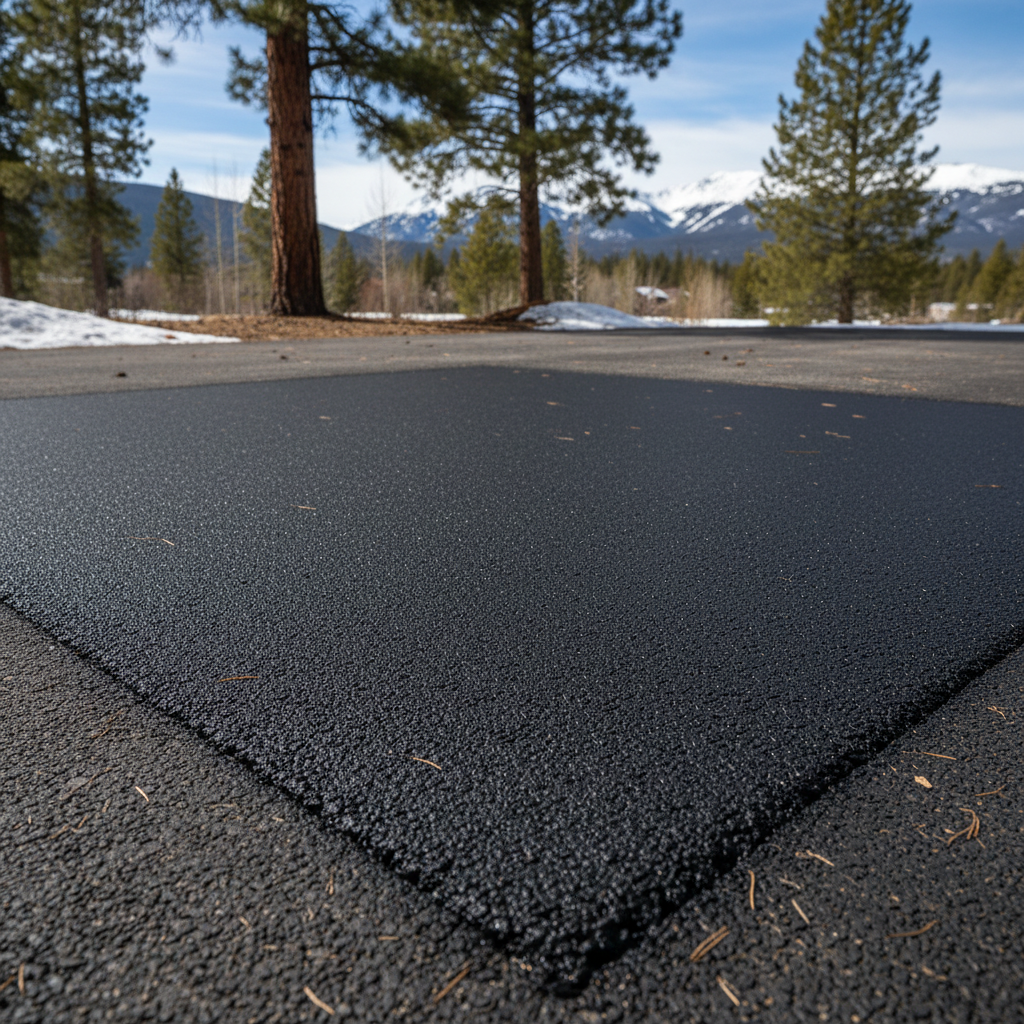
- Hot Patch: Now this is the real deal. It's hot asphalt mix, just like what we use for paving, but for a smaller area. We cut out the damaged section, clean it thoroughly, apply a tack coat, then lay down and compact the hot mix. It bonds much better to the existing pavement and lasts a lot longer. If you want a repair that really holds up, this is what you want.
Can I just do it myself, or should I hire a pro?
You absolutely can do some patching yourself, especially with cold patch material. For a small pothole, clean out the debris, make sure it's dry, dump in the cold patch, and compact it. You can use a hand tamper or even drive your car over it a few times. It's a decent DIY project for minor issues. But for anything larger, deeper, or if you want a repair that blends in and lasts, you're better off calling someone like us at Pacific Asphalt. We've got the right tools, the hot mix, and the experience to make sure it's done right. You don't want to spend your weekend wrestling with a shovel and then have the patch fail in a few months, do you?
How long does an asphalt patch usually last?
That depends entirely on the type of patch and how well it was done. A cold patch, done DIY, might last anywhere from a few months to a year or two, especially if it's in a high-traffic area or gets a lot of snowplow action. A professionally installed hot patch, however, can last many years – often as long as the surrounding pavement, if not longer. The key is proper preparation: cutting clean edges, ensuring a solid base, good compaction, and a strong bond with the existing asphalt. We see a lot of patches fail because folks didn't prep the area right, or they didn't compact the material enough.
Why do patches sometimes fail or look bad?
Most patch failures come down to a few things. First, poor preparation. If you don't clean out all the loose debris, or if there's water in the hole, the patch won't bond. Second, insufficient compaction. The asphalt needs to be dense to hold up to traffic and weather. If it's loose, water gets in, freezes, and pops it right out. Third, not cutting out enough of the old, damaged asphalt. Sometimes people just fill over weak spots, and the problem just comes back. And for looking bad, that's often just mismatched asphalt color or texture, or a patch that wasn't cut cleanly. We try to make our patches blend as much as possible, but you're always going to see a seam where new meets old.
Is there a 'best time of year' to get patching done in Bigfork?
Definitely. Spring, summer, and early fall are ideal. You want dry conditions and temperatures above 50 degrees Fahrenheit, ideally. This lets the asphalt cure properly and bond well. Trying to patch in the middle of winter, when it's freezing and wet, is a recipe for failure, especially for hot mix. Cold patch can be used in colder weather, but it's more of a temporary solution. Here in Bigfork, with our sometimes-harsh winters, getting ahead of those potholes before the snow flies is always a good idea.
My driveway is old and has a lot of patches. Should I keep patching or just repave?
That's the million-dollar question, isn't it? If you've got a few isolated potholes or cracks, patching is cost-effective. But if your driveway looks like a checkerboard of patches, or if the underlying base is failing in multiple spots, you're probably throwing good money after bad. At some point, the structural integrity of the entire driveway is compromised. You'll be patching one spot, and a new one will pop up right next to it. If more than 25-30% of your driveway needs patching, or if you see widespread alligator cracking, it's usually more economical in the long run to consider an overlay or even a full repave. We can come out and give you an honest assessment of what makes the most sense for your property.
How can I make my patches last longer?
A good patch starts with good installation, but you can help too. Keep the area clean of debris. If you have a fresh patch, try to avoid heavy turning of wheels on it for the first few days. Sealcoating your entire driveway every few years, including over the patches, helps protect the asphalt from UV rays and water penetration, extending the life of both your original pavement and your repairs. And if you're using a snowplow, be mindful around patched areas, as they can sometimes be more susceptible to damage if scraped too hard.